Retail attention is rarely won through noise alone. In busy environments, shoppers respond to signals that feel familiar, proportionate, and easy to read at a glance. Life-size promotional figures operate in this quieter space, guiding movement rather than interrupting it. Their presence shapes how customers orient themselves within an aisle, how long they pause, and what feels worth noticing. These figures do not compete with shelves; they stand alongside them, subtly framing choice.
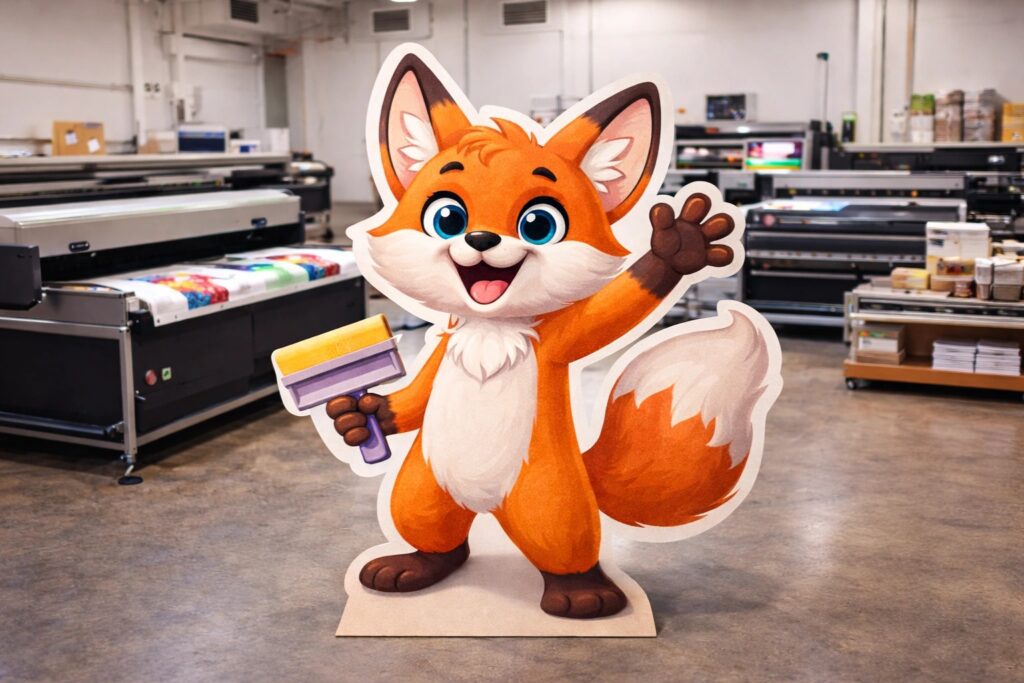
Scale plays a psychological role in how retail messaging is processed. When a display mirrors human height and posture, it enters the shopper’s peripheral awareness differently from posters or shelf talkers. It feels less like signage and more like a silent attendant. This is where a standee functions as a spatial marker rather than a graphic element. Positioned correctly, it signals relevance without demanding attention, helping shoppers register a message before they consciously decide to engage.
Unlike suspended signage, life-size figures exist within the same physical plane as the customer. That shared plane reduces abstraction. The message feels closer, more immediate, and easier to absorb during moments of movement rather than deliberation.
Retail layouts often assume that clarity equals visibility. In practice, clarity is easily diluted by repetition. When every shelf edge carries a message, none of them stand out. Life-size figures interrupt this sameness by introducing vertical contrast.
They are particularly effective in transitional zones, such as the end of an aisle or the space between departments. In these areas, a standee works as a reset point, helping shoppers re-orient before making their next choice. The goal is not persuasion but re-engagement, bringing attention back into focus at moments when it would otherwise drift.
The influence of life-size figures tends to follow a predictable sequence rather than a single moment of attention:
This sequence matters because it aligns with how people move through stores naturally. The figure supports behaviour already in motion rather than trying to redirect it abruptly.
Despite their continued use, life-size figures are often misunderstood. Common assumptions include:
In reality, restraint often increases effectiveness. A well-placed standee with a single clear message can outperform multiple smaller signs competing for attention. The role is less about visual dominance and more about spatial clarity.
Not all in-store visuals perform the same role. While each has value, their impact differs depending on context:
| Visual Element | Primary Role | Typical Shopper Response |
| Shelf labels | Information | Quick confirmation |
| Hanging signs | Direction | Distant orientation |
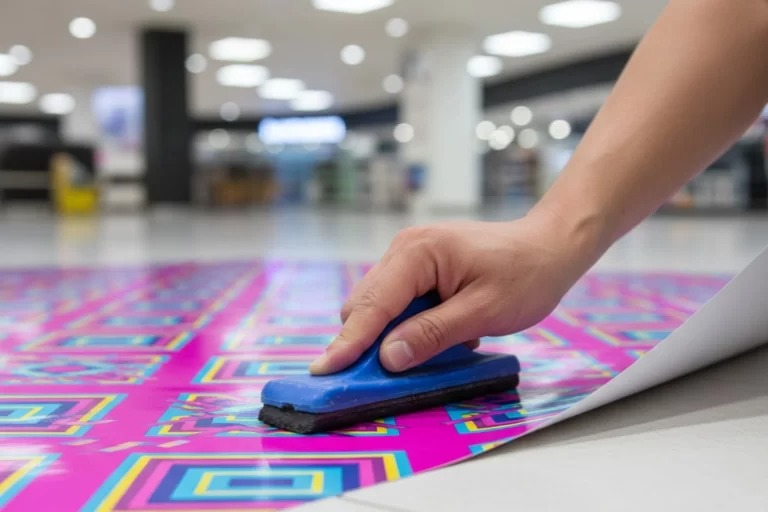
| Floor graphics | Flow guidance | Subconscious movement |
| Life-size figures | Engagement anchor | Pause and focus |
This comparison highlights why life-size displays remain relevant. They operate at the intersection of movement and attention, bridging the gap between guidance and engagement.
Outside retail, similar principles apply wherever physical cues influence behaviour. In clinical settings, for example, clear visual markers reduce uncertainty and help people move confidently through unfamiliar spaces. The same logic underpins how UK clinics grow high-value treatments and turn empty chairs into loyal patients through smart digital marketing. The physical environment supports trust, while messaging reinforces it.
Production choices matter here as well. Materials, finishes, and print quality determine whether a display blends into its surroundings or distracts from them. In manufacturing contexts such as Board Printing, precision and consistency ensure that large-format visuals maintain clarity without overwhelming the space. The analogy is not about promotion but about control: when visual elements are predictable, people respond calmly.
Repeated exposure to life-size figures creates familiarity rather than fatigue when used sparingly. Over time, shoppers associate the presence of these displays with reliability and clarity. They become part of the store’s visual language.
Digital screens and interactive displays continue to evolve, but they do not replace the need for physical orientation. Life-size promotional figures succeed because they respect how people move, look, and decide in real spaces. They do not require activation, power, or explanation. Their effectiveness lies in proportion and placement rather than novelty.
When integrated thoughtfully, they support operational flow as much as marketing goals. This balance explains why they continue to command attention without demanding it.
Life-size promotional figures continue to matter because they align naturally with how people move, observe, and make decisions in physical spaces. Rather than competing for attention, they create calm visual anchors that guide shoppers without disruption. Their human scale supports orientation, encourages brief pauses, and builds familiarity through repeated exposure. In retail environments crowded with competing messages, this measured presence adds clarity. For organisations focused on Point of Sale effectiveness, such figures function as part of the spatial framework shaping attention, flow, and confident choice.
© 2026 Point of Sale Printers. All Rights Reserved.