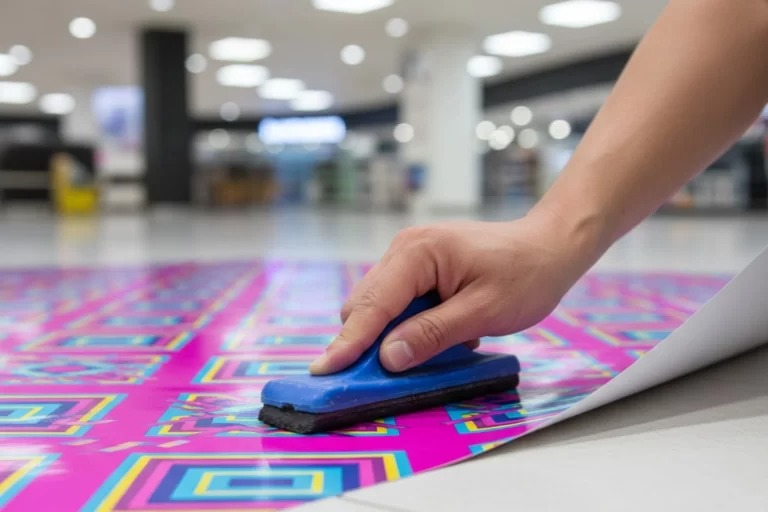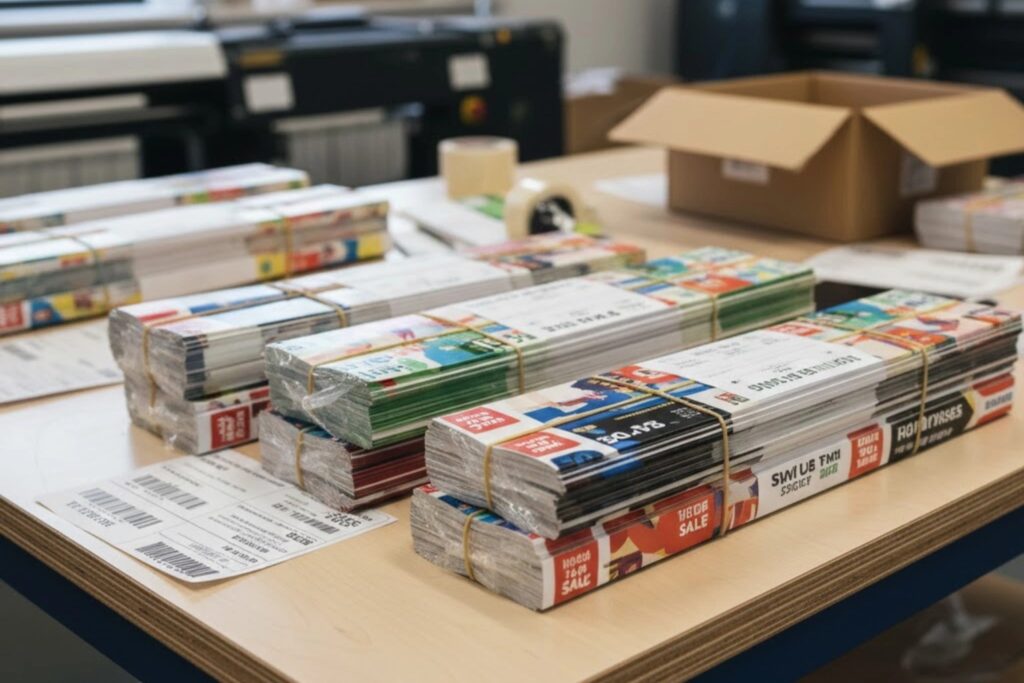
Warehouse retail rarely competes on decoration. Its strength lies in scale, repetition, and predictability. Yet within those stripped-back environments, small visual decisions quietly influence how shoppers move, pause, and assign value. The base of a display, often ignored or treated as purely functional, sits directly in the shopper’s peripheral field. When handled with intent, it can reinforce order and brand discipline without disrupting operational flow or slowing replenishment routines.
Any visual intervention in a warehouse retail setting must survive constant movement. Pallets are rotated, refilled, and replaced under time pressure. Materials that tear, snag, or complicate access quickly fall out of favour.
This is where Pallet Skirts earn their place—not as decorative extras, but as functional surfaces that align with daily routines. When fitted correctly, they preserve access to stock while covering rough timber edges and inconsistent pallet sizes. Staff do not need additional steps, and replenishment speed remains intact. The visual benefit arrives without operational penalty, which is the only way it lasts.
Correcting these assumptions is less about aesthetics and more about respecting how people scan environments designed for efficiency.
Retail spaces guide customer behaviour well before signage comes into play, shaping movement, expectations, and comfort through layout and visual cues alone. Aisle width, lighting height, and shelf rhythm all set expectations. The pallet base is part of this unspoken language. When left exposed, it signals impermanence, clearance, or temporary stocking. When treated consistently, it signals control and intention, reinforcing the sense that the space is managed rather than improvised.
This matters most in warehouse formats where displays are repeated dozens of times. Shoppers subconsciously compare one stack to another. Consistency at floor level reduces visual noise, allowing attention to stay on products rather than on the mechanics holding them up. The base functions as a stabilising cue, supporting visual order rather than pulling attention away from the products above it.
In multi-site operations, repetition is unavoidable, and how that repetition is handled determines whether it feels careless or intentionally structured. The question is whether it feels accidental or intentional. Using Pallet Skirts as a standardised element across stores turns repetition into recognition. Over time, shoppers associate that visual order with reliability and value.
Visual decisions made at floor level shape more than first impressions, quietly affecting behaviour, expectations, and how the space is interpreted over time. They influence maintenance cycles, shape staff behaviour, and determine how often elements need replacing over time. Displays that look unfinished are treated as disposable. Those that look deliberate are maintained with care.
Using Pallet Skirts consistently encourages teams to reset displays properly after restocking. The presence of a defined edge creates a natural endpoint, making misalignment more obvious and therefore more likely to be corrected. Over months, this reduces drift in presentation standards without adding supervision layers.
| Display Base Treatment | Shopper Perception | Staff Interaction | Longevity of Standard |
| Exposed timber pallets | Temporary, utilitarian | Fast but careless | Degrades quickly |
| Mixed ad-hoc covers | Inconsistent, noisy | Confusing | Short-lived |
| Standardised base wrap | Ordered, intentional | Predictable | Sustained |
This comparison is not about visual flair. It shows how small structural choices alter behaviour on both sides of the aisle.
Consider how a dental practice builder manages perception in clinical spaces. Patients rarely comment on cabinetry alignment or skirting finishes, yet those details shape trust and calm. The design does not compete for attention; it removes doubt. Warehouse retail operates on the same principle. When foundational elements are handled with intent, shoppers feel guided through the space rather than hurried, allowing decisions to form naturally and without pressure. The comparison highlights how subtle consistency supports confidence without overt messaging.
Treating pallet bases as branded assets is ultimately a question of discipline rather than decoration. When floor-level elements are controlled and consistent, they create a sense of order that shoppers absorb without conscious effort. Movement feels easier, displays feel intentional, and the environment appears reliably managed. Over time, these small decisions compound, shaping expectations about quality and care. For organisations operating within Point of Sale environments, this quiet consistency strengthens brand perception while preserving operational rhythm, without demanding attention or explanation from customers.
© 2026 Point of Sale Printers. All Rights Reserved.