In an era dominated by screens, physical marketing assets continue to play a critical role in shaping how audiences interpret brand messages. Standalone display structures, in particular, create immediate visual authority within retail, exhibition, and promotional environments. Their ability to occupy space independently allows marketers to control attention flow, guide customer movement, and reinforce campaign narratives without relying on surrounding fixtures.
When designed strategically, these structures become more than visual supports—they act as anchors for storytelling. From product launches to seasonal promotions, a well-positioned standalone display can establish clarity, consistency, and memorability at the point of interaction.
Standalone displays operate without reliance on walls, shelving, or permanent fittings. This independence gives brands flexibility in both placement and messaging. Whether used in shopping centres, trade shows, or corporate interiors, they function as self-contained communication tools.
Key strategic advantages include:
Because they are not constrained by architectural features, these displays allow campaign messaging to remain consistent across varied environments.
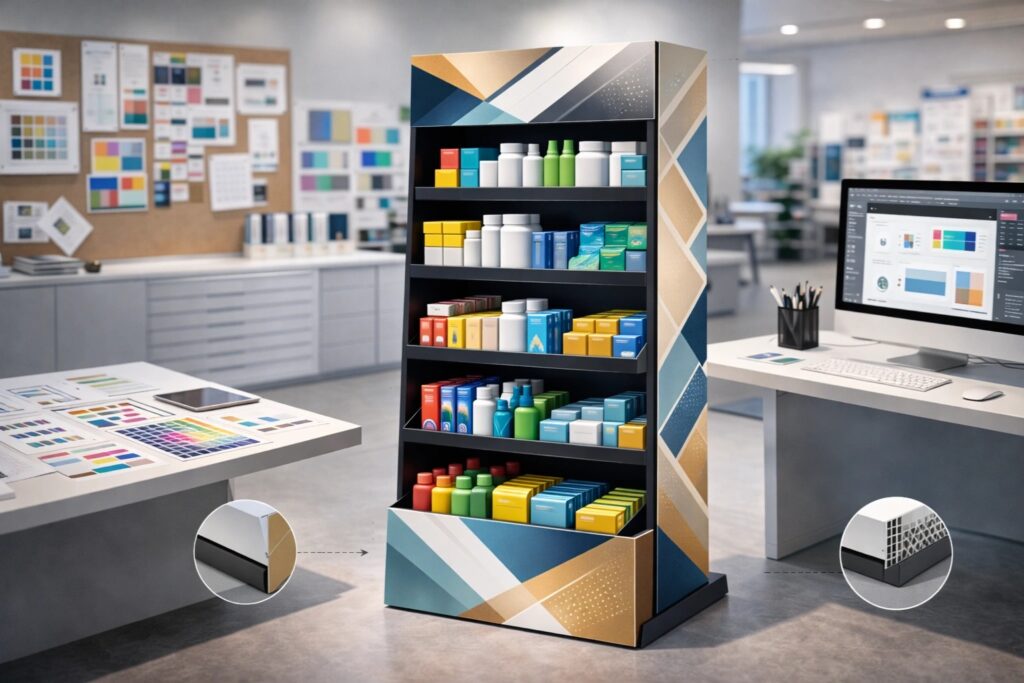
The effectiveness of a standalone display is closely tied to its physical construction. Structural decisions directly impact stability, longevity, and visual appeal.
A carefully engineered free standing display unit ensures the campaign message remains visible and undistorted throughout its lifecycle, even in busy commercial settings.
Campaign messaging must be prioritised visually. Standalone displays allow designers to create a clear hierarchy that guides the viewer’s eye naturally.
A typical hierarchy includes:
By integrating these elements into the structure itself, brands avoid clutter and ensure the message is absorbed within seconds.
Not all campaigns require the same display format. Choosing the right structure depends on campaign goals, audience behaviour, and environment.
| Campaign Objective | Suitable Standalone Structure |
| Product launch | Tall tower displays |
| Promotional offer | Double-sided floor units |
| Brand awareness | Sculptural or shaped displays |
| Information sharing | Panel-based structures |
A modular free standing display unit is particularly effective when campaigns need to evolve, allowing panels or graphics to be updated without replacing the entire structure.
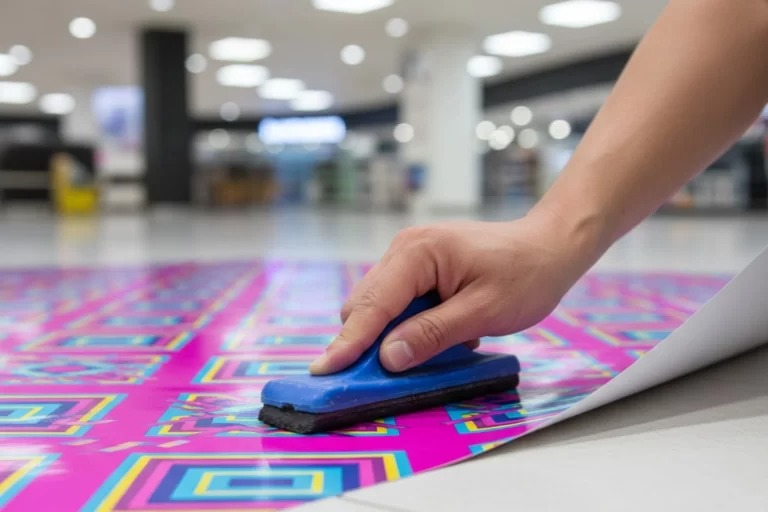
Print execution is not just a technical step—it directly influences how a campaign is perceived. Colour accuracy, finish, and material compatibility all affect message clarity.
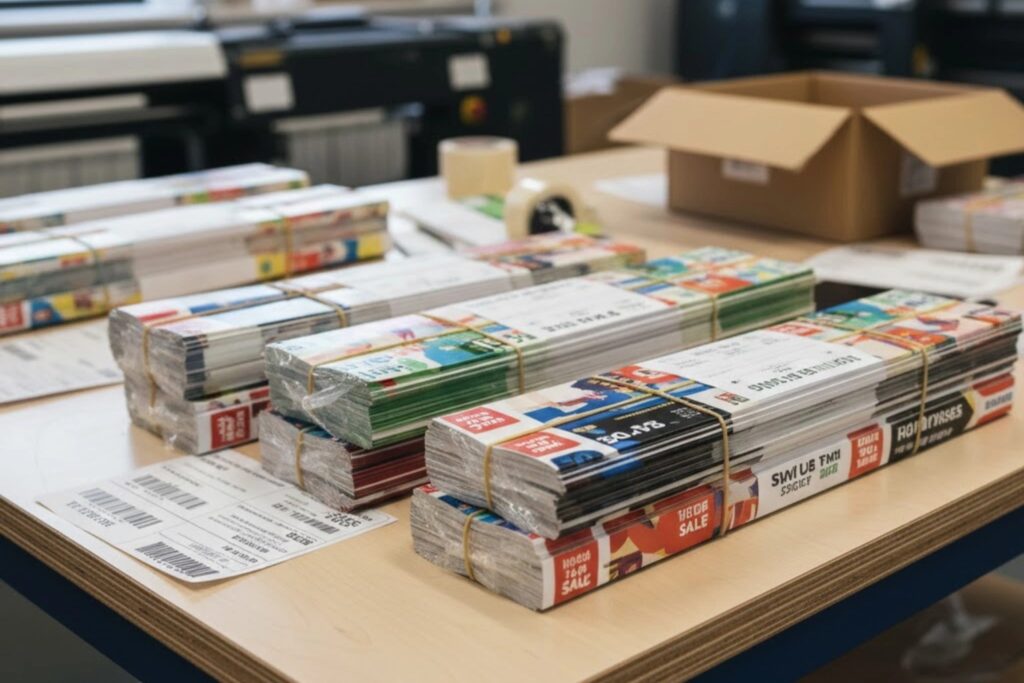
Professional printers such as printing company london support campaigns by delivering high-definition visuals across large-format applications, ensuring that standalone displays maintain visual consistency with broader marketing assets like brochures, signage, and exhibition graphics.
High-quality print reinforces trust, while poor execution can dilute even the strongest campaign concept.
Where a display stands is just as important as how it looks. Placement should be informed by customer movement patterns and decision-making moments.
When positioned correctly, a free standing display unit becomes part of the customer journey rather than a visual interruption.
Standalone displays should be evaluated based on performance, not aesthetics alone. Brands increasingly rely on measurable outcomes to justify investment.
Useful performance indicators include:
Combining physical displays with QR codes or trackable offers can further enhance performance analysis without disrupting the visual message.
Modern campaigns are increasingly shaped by sustainability goals. Standalone displays can align with these objectives through smart design and material choices.
Checklist for sustainable display planning:
Sustainable choices do not compromise impact when incorporated at the design stage.
Standalone display structures remain a powerful tool for anchoring campaign messaging in physical spaces. Their independence allows brands to control narrative delivery, adapt to varied environments, and maintain visual authority without reliance on existing fixtures. When structural design, messaging hierarchy, print quality, and placement strategy work together, these displays transform from simple marketing assets into campaign focal points. By approaching standalone displays as strategic investments rather than temporary fixtures, brands can achieve stronger recall, clearer communication, and measurable performance outcomes across diverse promotional settings.
© 2026 Point of Sale Printers. All Rights Reserved.