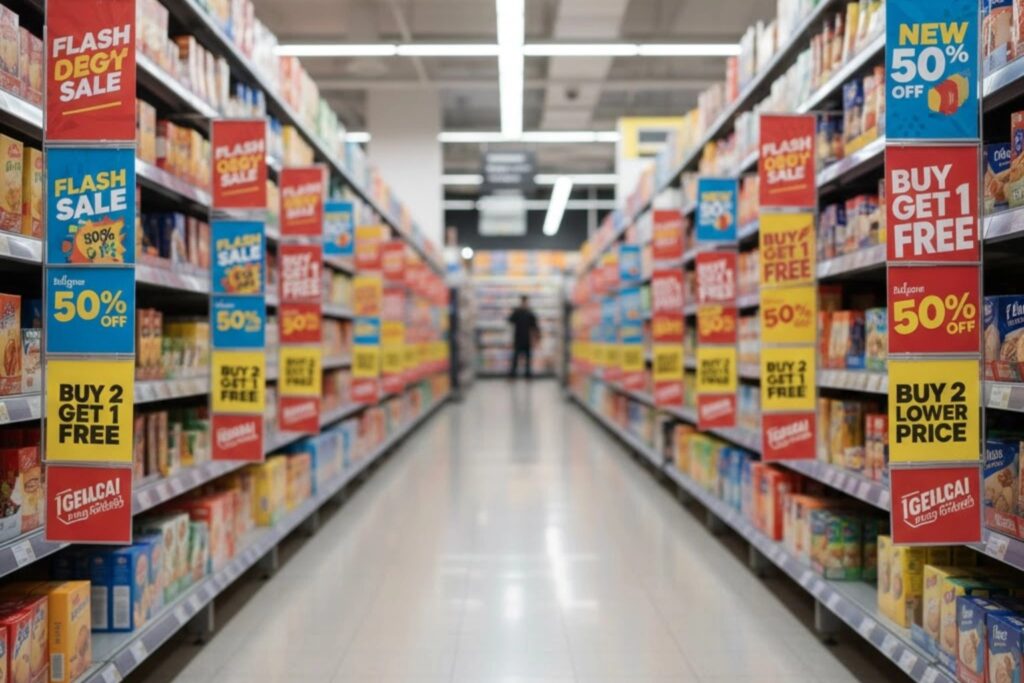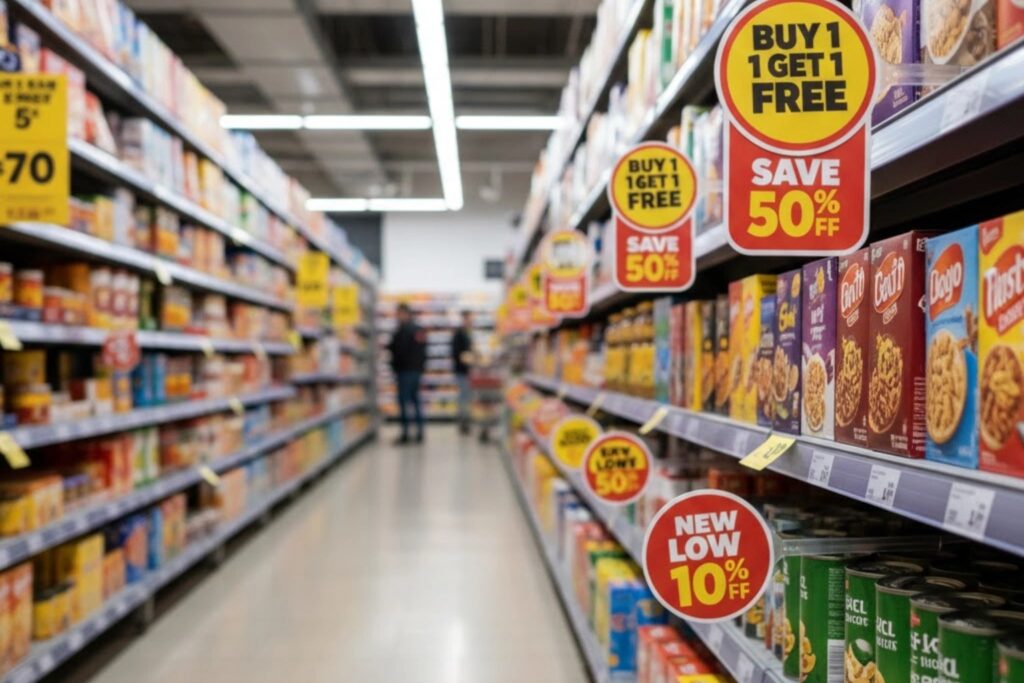
In today’s competitive retail environment, standing out on a crowded shelf is no longer optional—it’s essential. Shoppers make purchasing decisions in seconds, often without conscious deliberation. Motion-based shelf graphics are designed to interrupt this routine behaviour by adding subtle movement that draws the eye naturally. Unlike static signage, these dynamic visual tools create a moment of pause, encouraging customers to engage with a product they might otherwise overlook.
Retailers across sectors—from FMCG to electronics—are increasingly turning to motion-driven point-of-sale solutions to increase visibility and influence buying decisions. When used strategically, they not only boost brand recall but also improve overall shelf performance without requiring additional floor space.
Human vision is instinctively drawn to motion. From an evolutionary perspective, movement signals importance, change, or opportunity. In retail settings, this instinct works to a brand’s advantage when movement is used sparingly and purposefully.
Key psychological triggers include:
When applied to shelf-level marketing, these triggers help products stand out without overwhelming the shopper.
Traditional shelf talkers and printed strips rely solely on colour, typography, and imagery. Motion-based graphics introduce a physical or visual shift that elevates their effectiveness.
| Feature | Static Shelf Graphics | Motion-Based Shelf Graphics |
| Visual impact | Moderate | High |
| Customer engagement | Passive | Active |
| Shelf differentiation | Limited | Strong |
| Installation complexity | Low | Low to moderate |
| Cost efficiency | Good | Excellent ROI |
Motion elements add depth and interaction without requiring digital screens or power sources, making them suitable for a wide range of retail environments.
Placement plays a critical role in determining the success of motion-based shelf solutions. Even the most well-designed graphic will underperform if positioned incorrectly.
Best practices include:
Retailers often integrate shelf wobblers at these strategic points to create subtle motion that responds to airflow or customer movement, ensuring continuous visual engagement without manual intervention.
Motion alone is not enough. The design must complement the movement to reinforce the brand message rather than distract from it.
Effective design considerations:
When combined thoughtfully, motion and design work together to deliver a strong, memorable shelf presence.
Motion-based shelf graphics are most effective when aligned with a wider in-store visual strategy. For example, pairing them with floor-standing units or end-cap displays creates a cohesive journey from aisle entry to shelf interaction. Many retailers integrate these elements alongside professionally produced display units, such as those showcased through free-standing display solutions, to maintain visual consistency across the store.
This integrated approach ensures that motion-based elements feel intentional rather than isolated, reinforcing brand identity at every touchpoint.
Beyond visual appeal, motion-based shelf graphics offer practical benefits that make them attractive to retail teams and brand managers alike.
These advantages make them an efficient choice for brands looking to scale in-store marketing efforts without increasing operational complexity.
As retail campaigns become more complex, some brands rely on external partners to manage production, logistics, and rollout. In such cases, collaborating with accounting outsourcing providers that understand operational efficiency can help streamline back-end processes while allowing internal teams to focus on creative and strategic priorities. This indirect support ensures motion-based shelf initiatives are executed consistently across multiple locations.
To justify investment, retailers need measurable outcomes. Motion-based shelf graphics consistently perform well against key retail metrics.
Common performance indicators include:
Retail audits often reveal that products supported by Shelf Wobblers experience improved visibility compared to adjacent items, particularly in crowded categories.
Modern retail marketing increasingly prioritises sustainability. Motion-based shelf graphics can be produced using recyclable or responsibly sourced materials without compromising performance.
Sustainable considerations include:
These choices help brands align shelf marketing with broader environmental commitments.
Motion-based shelf graphics are versatile and can be tailored for various industries:
In each case, the movement style and design language should reflect the expectations of the target shopper.
As physical retail continues to compete with online channels, in-store innovation becomes critical. Motion-based shelf graphics offer a low-tech yet highly effective way to create engaging physical experiences that digital platforms cannot replicate.
Retailers adopting Shelf Wobblers as part of a broader sensory strategy are better positioned to capture attention, communicate value, and influence decisions at the moment of purchase.
Motion-based shelf graphics are a powerful yet understated tool for modern retail marketing. By leveraging natural human responses to movement, they cut through visual noise and guide shopper attention precisely where it matters most. Their flexibility, ease of use, and cost efficiency make them suitable for both large-scale campaigns and targeted promotions. When thoughtfully designed and strategically placed, they integrate seamlessly with wider in-store displays, reinforcing brand presence without overwhelming the shopper. As retail spaces continue to evolve, motion-led shelf solutions offer a practical way to enhance engagement, improve product visibility, and support measurable sales outcomes while maintaining operational simplicity and visual consistency across store environments.
© 2026 Point of Sale Printers. All Rights Reserved.